
RizzitGO Finds
Spreadsheet
OVER 5000+
WITH QC PHOTOS
Click the images below to browse!


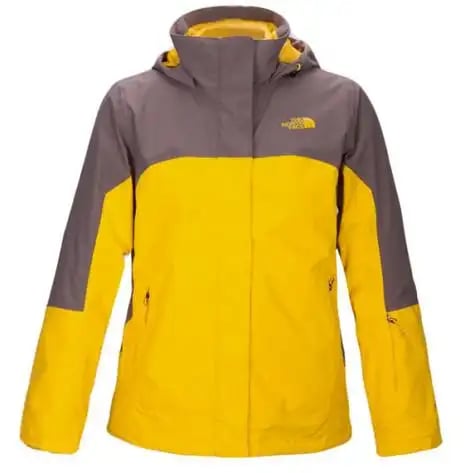


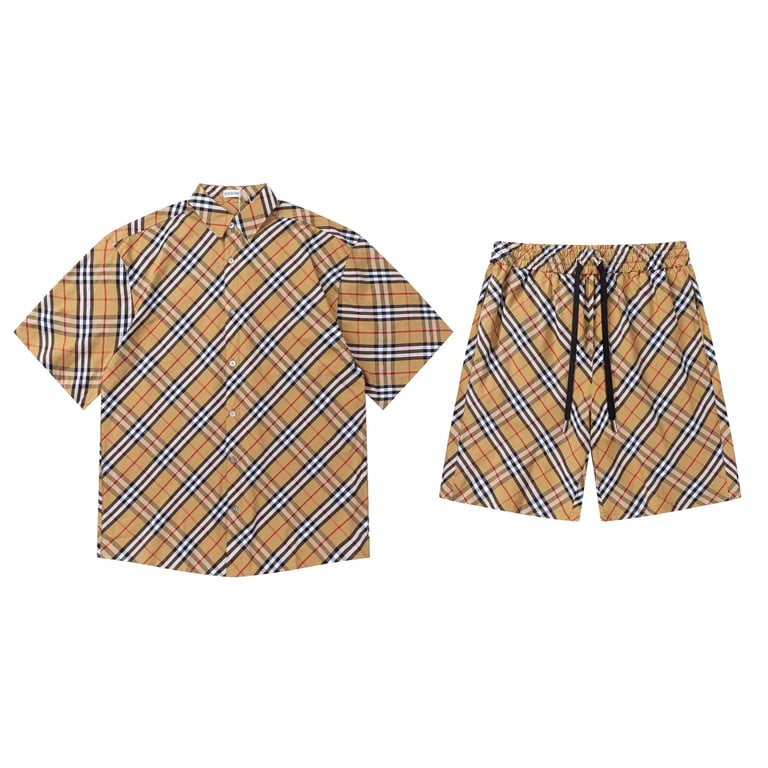
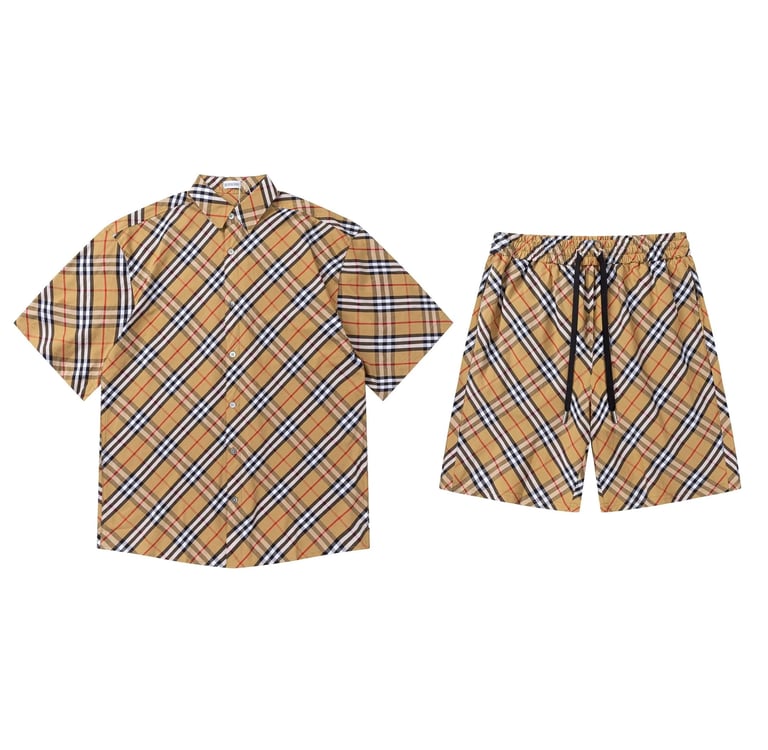
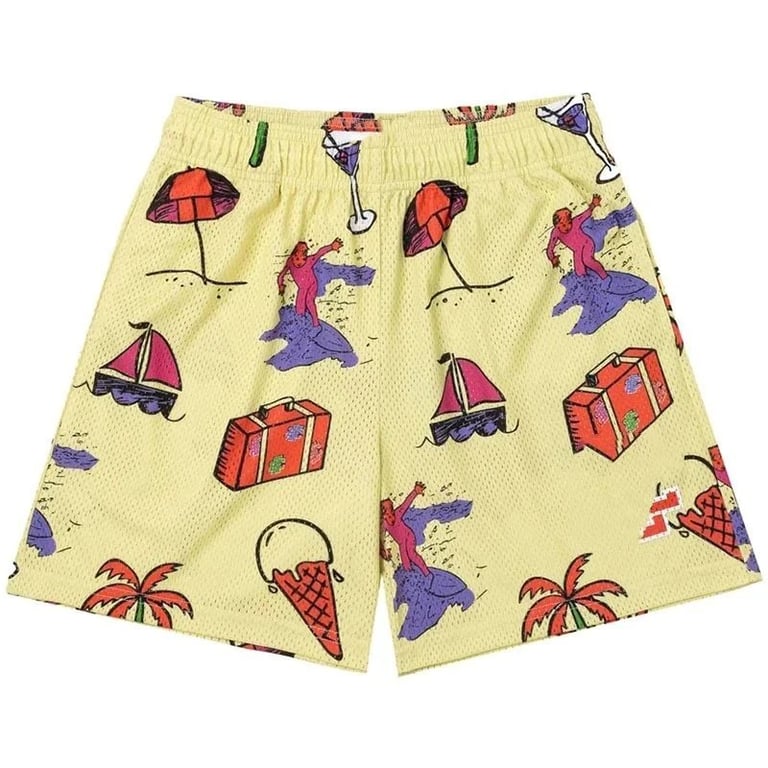


How Rizzitgo spreadsheet works as a global shopping entry gateway
Global shopping usually doesn’t fail because products are missing. It fails because the starting point is unclear. Users open platforms filled with listings, but nothing tells them where to begin, what to ignore, or how to move from intent to action. The result is not lack of choice, but lack of orientation.
The Rizzitgo spreadsheet is built around solving that missing “starting structure” rather than improving search or adding more products.
Entry is treated as a behavioral trigger, not a navigation step
In most systems, entry means landing on a homepage or typing a keyword. In practice, users don’t begin with clarity—they begin with vague intent like “something cheap” or “something similar to what I saw before.”
The Rizzitgo spreadsheet interprets this moment differently. Instead of asking users to define what they want precisely, it classifies entry based on behavioral intent signals. This shifts the system away from keyword dependence and toward intent framing.
What changes here is subtle: users are no longer “searching first,” they are first being positioned inside a directional context.
The first visible layer is already structurally compressed
After entry, users do not see a full product universe. They see a reduced surface of grouped supply.
This compression is not just filtering—it is structural reshaping:
repeated listings across suppliers are collapsed into shared nodes
inconsistent naming is normalized into unified product references
scattered items are reassembled into compact clusters
So instead of scanning noise, users are immediately placed inside a smaller, pre-organized field of options.
Product visibility shifts depending on how the user enters
Unlike traditional systems where results are static, the Rizzitgo spreadsheet changes what appears based on entry context.
This means the same underlying database produces different shopping realities:
a budget entry highlights stable low-cost clusters
a trend entry surfaces fast-moving product groups
a replenishment entry prioritizes repeat-consumption items
The key difference is that products are not simply “retrieved”—they are rearranged according to the entry path.
Fragmentation is handled before users notice it exists
Cross-border shopping is naturally fragmented: multiple suppliers, duplicated products, inconsistent descriptions. Most platforms expose this complexity directly to users, forcing them to manually reconcile it.
The Rizzitgo spreadsheet handles this earlier in the flow. Fragmented listings are pre-processed into unified structures before they reach the user interface. What would normally appear as separate items is already grouped into comparable sets.
As a result, users interact with a cleaned version of supply complexity instead of raw fragmentation.
Entry logic gradually replaces keyword dependency
Over time, users begin to rely less on search terms and more on entry behavior. Instead of thinking “what should I type,” they think “what kind of shopping situation am I in.”
This shift matters because it reduces dependence on exact product naming, which is often unreliable in global sourcing environments. The system quietly trains behavior toward direction-first browsing rather than query-first searching.
Navigation becomes a continuation of entry decisions
Once inside a structured entry path, movement is no longer random. Users are not constantly re-evaluating where to go next—they are following a constrained environment shaped by their initial intent.
At this point, Rizzitgo links extends the structure outward, allowing users to move across supplier pages without losing context or restarting search cycles. Entry and navigation become part of the same continuous flow instead of separate actions.
Closing perspective
The Rizzitgo spreadsheet does not try to improve global shopping by making search better. It changes something earlier in the process: how users enter the system in the first place.
By reshaping entry into a structured behavioral layer, compressing fragmented supply before exposure, and adjusting visibility based on intent, it turns global shopping from an open-ended browsing problem into a guided starting system where direction exists before search even begins.


How Rizzitgo links reduce friction in cross-border shopping journeys
Cross-border shopping friction doesn’t usually come from “difficulty finding products.” It comes from everything that happens between finding and buying—switching pages, losing comparison context, re-understanding the same product under different listings, and repeatedly rebuilding decisions that were already half-made.
The Rizzitgo links system targets this in a very specific way: it doesn’t simplify shopping itself, it simplifies movement between shopping states.
1. A typical journey starts with interruption, not intention
In real usage, users don’t move smoothly from product to product. They interrupt themselves constantly:
open a listing → feel uncertain → go back → open another supplier → lose the first reference → restart comparison
This loop is where friction accumulates. It is not one big failure point—it is repetition of small resets.
2. What changes when links behave like “continuations”
With Rizzitgo links, moving between pages is no longer treated as a new action. Each transition behaves more like a continuation of the same decision thread.
Instead of:
new page = new evaluation
it becomes:
new page = next version of the same evaluation
That subtle shift is what removes most of the mental restart cost.
3. Some transitions don’t feel like navigation at all anymore
In certain cases, users don’t even notice they switched suppliers. The experience becomes more like scrolling through variations rather than jumping between websites.
This happens because the system aligns:
product structure
item identity
visual grouping logic
So the “change of page” stops behaving like a change of environment.
4. Comparison happens accidentally instead of intentionally
Normally, users must decide to compare products—open tabs, remember prices, align details.
With Rizzitgo links, comparison is embedded in movement. As users follow related items:
price variations appear naturally in sequence
supplier differences are already arranged in order
alternatives are surfaced without separate effort
Comparison becomes a side effect of browsing, not a task.
5. The system quietly removes navigation dead ends
In traditional cross-border flows, users often reach a point where they must go backward:
no related items, no clear next step, no connected alternatives.
Rizzitgo links avoids this by making every node connectable:
a product always leads somewhere structurally relevant, not just another random listing.
This keeps the journey active instead of restarting it.
6. The real reduction of friction is psychological, not technical
On the surface, nothing dramatic happens. Pages still open. Suppliers still change. Products still vary.
But mentally, users stop feeling like they are “starting over” every time they click.
That reduction in perceived restart cost is what actually makes the journey feel smoother.
7. Links depend on structure, not isolation
The system only works because it doesn’t treat products as isolated items. Rizzitgo links rely on underlying grouping logic from Rizzitgo spreadsheet, where related items are already structured before navigation begins.
So links are not random connections—they are the visible layer of pre-existing relationships.
Closing perspective
Cross-border shopping friction is mostly made of invisible resets. The Rizzitgo links system reduces that friction by turning resets into continuations, switching into flow, and navigation into a connected sequence rather than repeated restarts.
Instead of making users search less, it makes every click feel like it belongs to the same ongoing decision process.